
What Appliances Can an Appliance Repair Service in Sydney Fix?
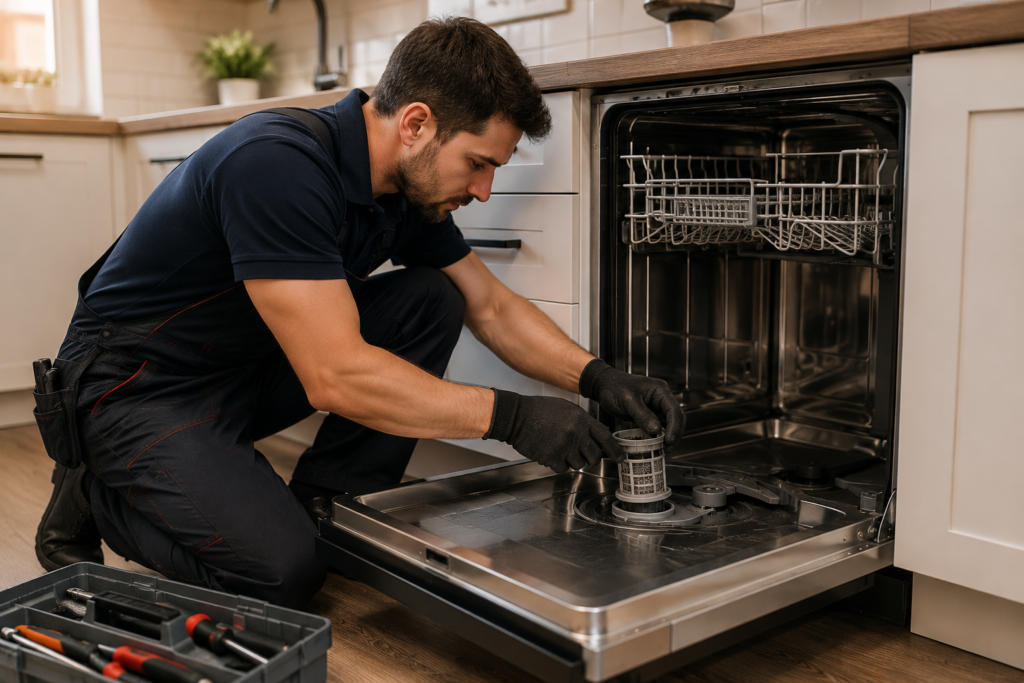
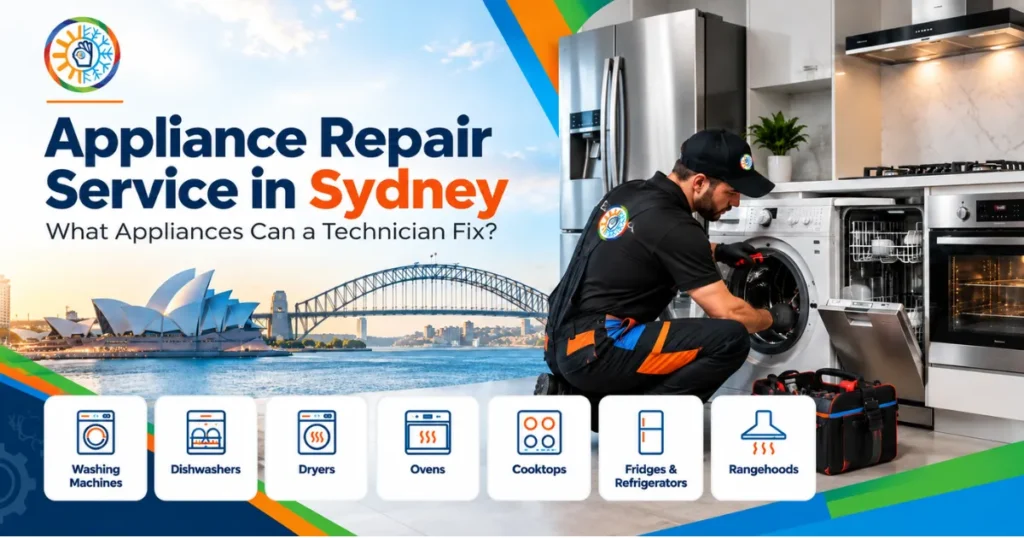
What Appliances Can an Appliance Repair Service in Sydney Fix? If a household appliance suddenly stops working, makes an unusual noise, leaks water, fails to heat or cool, or displays an error code, you may not know whether you need a simple repair, a replacement part or a new appliance. A professional appliance repair service in Sydney can commonly diagnose and repair a wide range of household appliances, including washing machines, dishwashers, dryers, ovens, cooktops, fridges, refrigerators and rangehoods. Depending on the technician’s qualifications, equipment and the nature of the fault, some services may also include air conditioners and commercial appliances. The important point is that not every fault requires replacing the entire appliance. A proper diagnosis can help determine what has failed, whether the appliance is repairable and whether repairing it makes financial sense. Quick Answer: An appliance repair technician in Sydney can commonly service washing machines, dishwashers, dryers, ovens, cooktops, fridges, refrigerators and rangehoods. Some qualified services also work on air conditioners and commercial appliances. The exact repair depends on the appliance, brand, fault, parts availability and technician qualifications. What Appliances Can an Appliance Repair Service in Sydney Fix? A professional appliance repair service may work on many of the appliances found in Sydney homes, rental properties and businesses. Common examples include: Washing machines Dishwashers Clothes dryers Ovens Electric and induction cooktops Gas cooktops, where appropriately licensed Fridges and refrigerators Rangehoods Air conditioners, where offered and appropriately qualified Selected commercial appliances The type of repair can range from replacing a worn component to diagnosing an electrical, mechanical, drainage, heating, cooling or control-system fault. However, a responsible repair company should not claim that every appliance, every brand or every fault can always be repaired. Some problems require specialist trades, manufacturer service or replacement when suitable parts are unavailable or the repair is no longer economical. Washing Machine Repair in Sydney Washing machines are among the most frequently used appliances in a home, so even a relatively small fault can quickly become inconvenient. A washing machine technician may diagnose problems involving the machine’s drainage, spinning, water supply, door mechanism, motor, heating system, sensors or electronic controls. Common Washing Machine Problems An appliance repair technician can commonly investigate problems such as: Washing machine not starting Washing machine not draining Washing machine not spinning Washing machine leaking water Washing machine making unusual noises Washing machine stopping during a cycle Clothes remaining too wet after washing Washing machine showing an error code Water not entering the machine Door or lid problems Excessive vibration Some faults may be caused by simple issues such as a blocked filter or hose, while others may involve pumps, belts, motors, valves, sensors or control components. When Should You Call a Washing Machine Technician? If the appliance is repeatedly stopping, leaking, making abnormal noises, failing to drain or showing an unexplained error, professional diagnosis can prevent the problem from becoming worse. If there is water near electrical components or a burning smell, stop using the appliance and seek appropriate professional assistance. Dishwasher Repair in Sydney A dishwasher that does not drain, clean properly or complete its cycle can quickly become a daily inconvenience. A dishwasher repair technician can diagnose faults involving drainage, water supply, heating, circulation, door seals and electronic controls. Common Dishwasher Problems Typical problems include: Dishwasher not draining Dishwasher not starting Dishwasher not cleaning dishes properly Dishwasher leaving water inside Dishwasher leaking Dishwasher not drying dishes Dishwasher making unusual noises Dishwasher displaying an error code Dishwasher filling with too much or too little water Door not closing correctly The underlying cause can vary considerably. A blocked filter is very different from a failed drain pump or electronic control problem. That is why replacing parts without proper diagnosis can result in unnecessary expense. Can a Dishwasher Be Repaired Instead of Replaced? Often, yes. Whether repair is worthwhile depends on the appliance’s age, condition, fault, parts availability and expected repair cost. A technician should assess the appliance before recommending repair or replacement. Dryer Repair in Sydney A clothes dryer can develop problems related to heating, airflow, spinning, electrical components or moisture removal. Common Dryer Problems A dryer technician may investigate: Dryer not heating Dryer not spinning Dryer taking too long to dry clothes Dryer overheating Dryer stopping unexpectedly Dryer making unusual noises Dryer not starting Burning smells Error codes Poor airflow A dryer that overheats or produces a burning smell should not simply be kept running in the hope that the problem disappears. Lint buildup, restricted airflow, faulty heating components and electrical problems can all require attention. Why Is Proper Dryer Diagnosis Important? A dryer can appear to have a heating problem when the real issue is restricted airflow or another component. Professional diagnosis helps identify the underlying cause rather than simply replacing a part based on the symptom. Oven Repair in Sydney Ovens combine heating elements, temperature controls, fans, switches, sensors and electronic components. Gas models can also involve gas-related components and safety systems. Common Oven Problems An oven repair technician may diagnose: Oven not heating Oven heating unevenly Oven taking too long to reach temperature Oven overheating Temperature not matching the setting Fan not working Oven door not closing properly Faulty controls Electrical problems Error codes Can an Appliance Technician Repair a Gas Oven? Gas appliance work should only be performed by an appropriately licensed professional where required by Australian law. If a gas appliance has a suspected gas leak, unusual gas smell or other gas-safety issue, do not attempt to repair it yourself. A professional should determine whether the fault is mechanical, electrical, electronic or gas-related and whether specialist licensed work is required. Cooktop Repair in Sydney Cooktop faults can affect electric, induction and gas appliances in different ways. Electric Cooktop Problems Common problems include: Cooktop not turning on One cooking zone not heating Uneven heating Faulty controls Electrical faults Error messages Induction Cooktop Problems Induction cooktops can develop issues involving sensors, cookware detection, electronic controls, power supply and individual cooking zones. If an induction